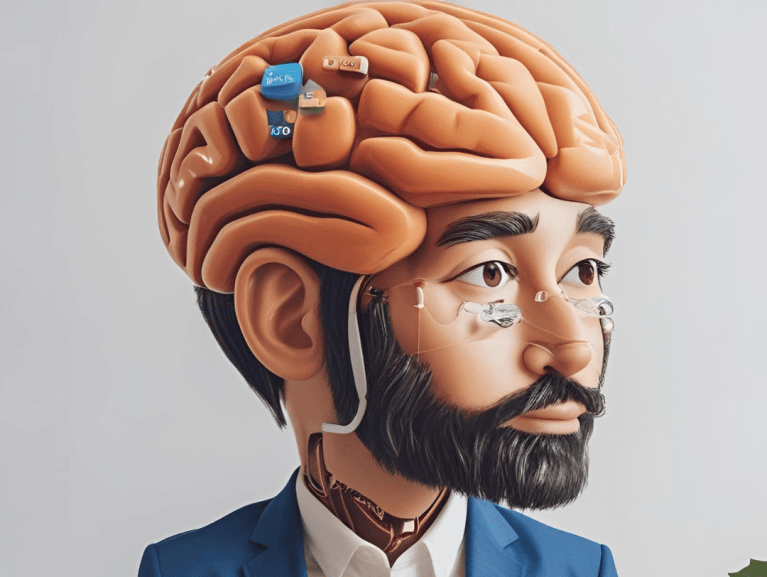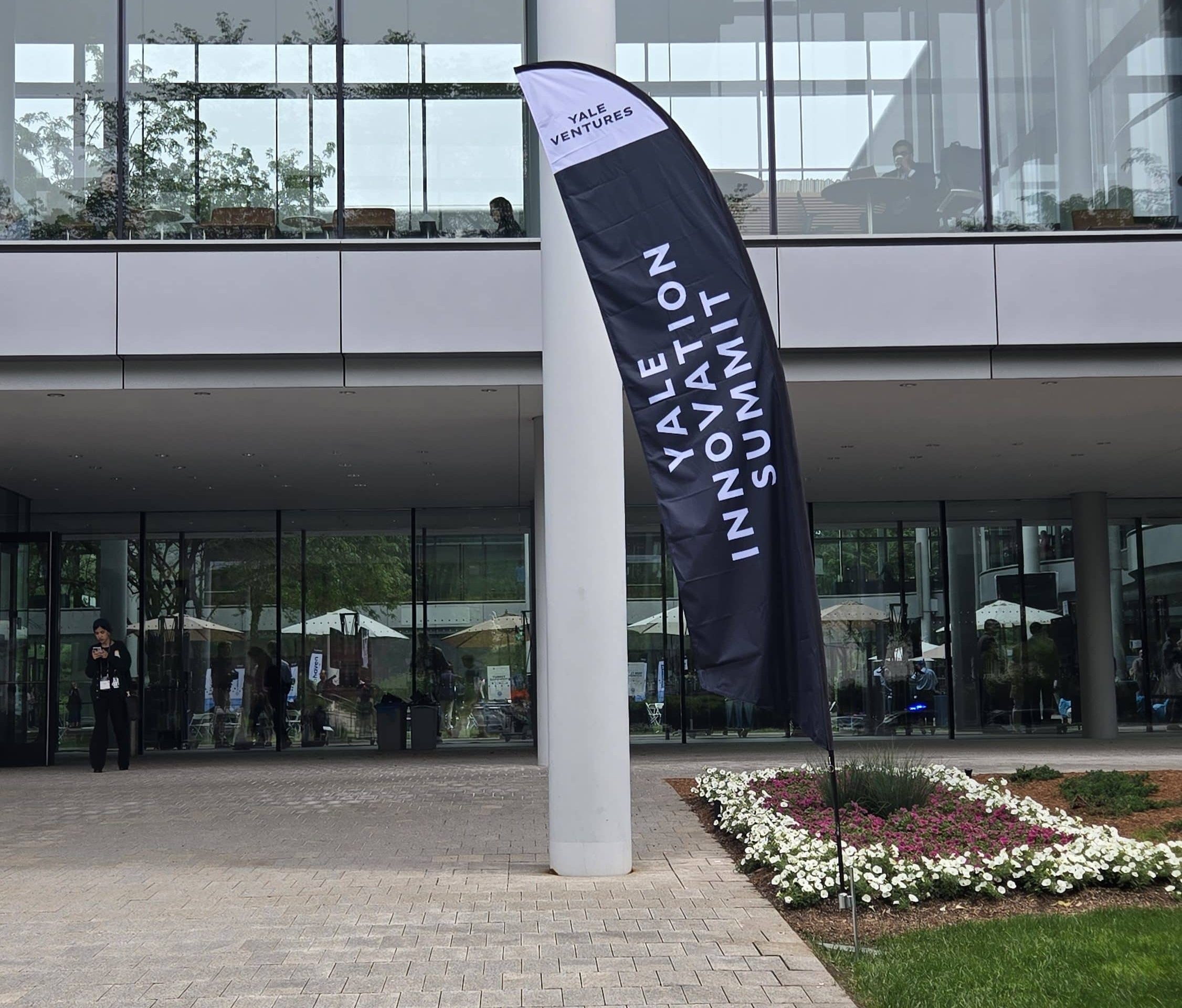
The Yale Innovation Summit, presented by Yale Ventures, was a jam-packed two-day extravaganza of information, ideas, and community-focused camaraderie and networking. Now in its 11th year, the summit brings together founders, students, innovators, and some of the biggest names and brains in Connecticut’s economic development, technology, healthcare, education, and defense industries.
Innovation MADE: Innovation Takes the Stage
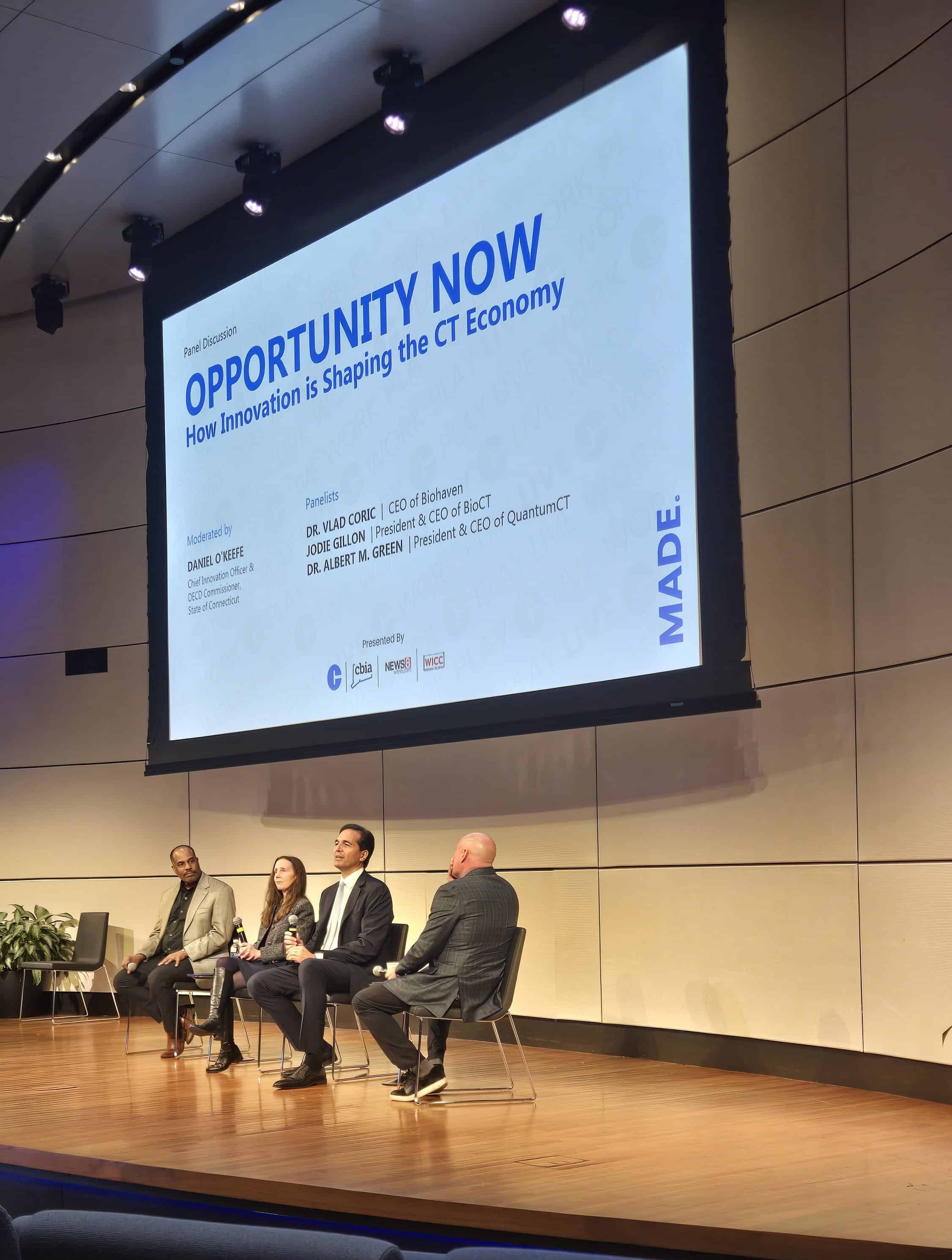
Daniel O’Keefe, Connecticut’s commissioner of the Department of Economic and Community Development, kicked off the summit with an optimistic forecast for the state. Connecticut is now the 17th fastest-growing state in the country, up from 49th just a few years ago.
Other Innovation MADE panelists included Dr. Vlad Coric of Biohaven, who built a multi-billion dollar startup from his spare bedroom, and Jodie Gillon of BioCT, who celebrated Connecticut’s strong community where you can find solutions with just one phone call.
Bringing Connecticut Into a Quantum Future
Almost everywhere you go, someone is talking about AI. As influential as AI is today, quantum tech is the next wave poised to change the world, and was a major theme of the summit. QuantumCT, a first-time collaboration between Yale University and UConn, is a non-profit organization dedicated to bringing quantum technologies to Connecticut.
Dr. Albert Green, CEO of QuantumCT, joined the Connecticut Made panel to discuss all things quantum. He said that the key to innovation is in collaborations not only between organizations, but between industries – such as physics and biotech, or fintech and defense. As disparate fields work hand in hand to approach problems in different ways, new solutions will be born.
“Innovations happen at the boundaries,” says Dr. Albert Green, CEO of QuantumCT. “When you can engineer those collisions, that’s when innovations can happen.”
Still wondering what the heck quantum even is? Dr. Green offered an interesting way to look at it: “Quantum technology uses nature to compute what nature does naturally well.”

At a later panel, we heard from QuantumCT’s co-founders, Dr. Panir Alpay and Dr. Michael Crair, along with Dr. Christine Broadbridge, Southern Connecticut State University‘s executive director of research and innovation. The earliest quantum applications we can potentially expect might be coming in about three to five years, with quantum sensing likely being the first type of tech to emerge, along with quantum/AI hybrid systems.
Right now, QuantumCT is largely focused on workforce development, starting with STEM and quantum awareness in high schools. Essentially, their goal seems to be to turn Connecticut into the next Silicon Valley, stating that the state has the “right to win,” particularly due to its leadership in biotech, fintech and aerospace, among other industries.
“Connecticut is the land of innovation,” says Dr. Broadbridge.
“We’re lucky to be present for the birth of an industry,” Dr. Green adds.
Funding for Founders
A lively session with panelists from Kickstarter, Endeavor, and Yale University advised founders on how to achieve success. Kickstarter CTO Mahesh Guruswamy advised to raise only what’s necessary. “The more money you raise gives away your power.” Endeavor CEO Linda Rottenberg stressed heavily that co-founders “get a startup prenup” to have guardrails in place for when inevitable problems arise.
Founders were encouraged to build a solid following before looking for funding. Knock on doors. Get feedback. Build connections to have a strong brand before moving to the next step. Rottenberg joked, “Stalking is an underrated startup strategy.” She told B2B founders not to be shy about employing B2C tactics. “You have to be storytellers, too.”
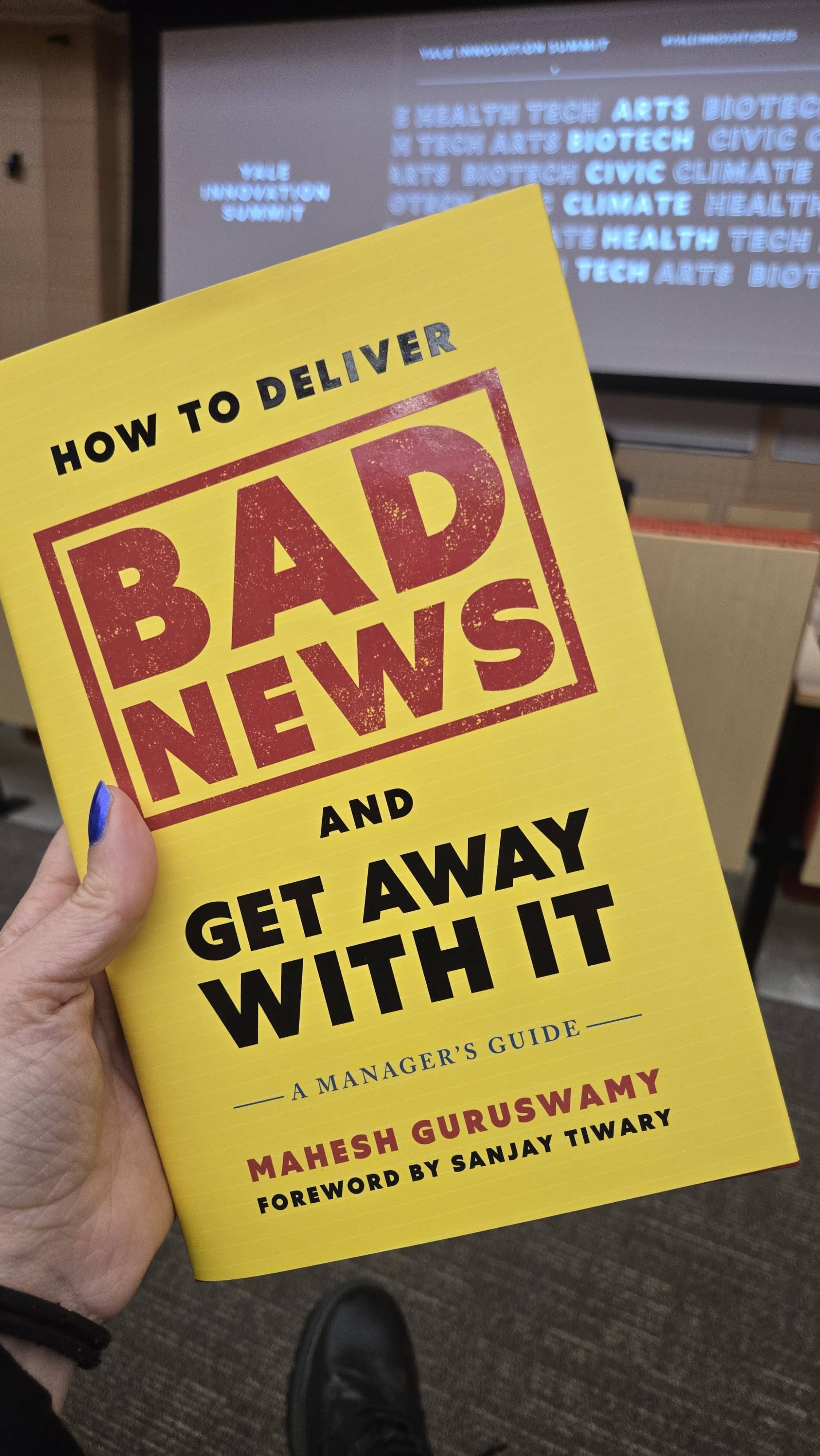
Guruswamy spoke about AI and shared his thoughts on its threat to creatives. “I don’t think AI will ever replace creativity.” (He gifted dozens of books to attendees, which was a super cool surprise.) But at the same time, founders were urged to build their company with AI in mind. Always.
Looking for an untapped AI-driven venture? Look to “boring” verticals like financial systems. While the current infrastructure works, it’s fundamentally broken inside. Emerging markets with corrupt financial systems are required to push innovation and have developed solutions that bypass the mainstream for more effective transactions. This isn’t happening in the U.S. because the “just okay” status quo prevails.
AI Innovation
There was so much talk of AI, it’s hard to know where to begin – but panelists overall were optimistic, both in the opportunities and in our ability to embrace the technology without losing our jobs. One great analogy was how the invention of ATMs transformed the role of teller from a transaction-based role to one of customer relations and community involvement.
Techstars managing director Kerty Levy said successful companies are embedding AI designers into their companies to figure out what infrastructure is needed in an active partnership. CIO of Travelers Bruno Sardinha echoed this “co-creation model” and said, “Founders need to flex their reaction speed. They need to know their customer, know their problems, and recruiting good talent will be key.”
Managing partner for Far Out Ventures Ian Hathaway added, “Founders should be obsessed with the problem they’re trying to solve.”
Air Travel Challenges and Opportunities
Panelists from RTX, Tamarack Global, and the U.S. government’s Defense Innovation Unit discussed the latest in the defense industry, with a major focus on aerospace. Michael Winter, chief scientist for RTX, noted several key challenges: American aerospace is vulnerable to a rising number of foreign competitors; the world is more dangerous, requiring new solutions from the industry; aviation doesn’t account for a great amount of climate impact, but demand is growing and will need to respond with new tech; the rise of the middle class is resulting in greater air travel volume; and there’s not enough manufacturing space on the planet to accommodate these needs.
Federal Funding Fears
By far, the most common challenge discussed at the summit was funding. In particular, federal funding cuts were unanimously disparaged. From the Small Business Innovation Research grants to university endowments, many are worried that draconian cuts will have drastic consequences. Dr. Michael Crair, co-founder of QuantumCT, gave an impassioned condemnation of how federal spending cuts could decimate progress.
Community Matters
Mark Abraham of New Haven’s DataHaven provided a fascinating look at how governmental policy can have a direct correlation on how long you live. He showed data comparing the life expectancy of the average woman in Connecticut with one in Oklahoma. His data shows that Connecticut’s progressive policies contribute to extending a woman’s life by multiple years.
Ming Thompson of the Yale School of Architecture showed several examples of micro civics to enhance communities. When speaking of the New Haven Sketchers group who get together in the city to draw together, she said, “Paying attention is a profound experience.” It’s community involvement like this that can not only spark innovations, but regenerate communities. Fostering a sense of belonging is the key element for success.
Thoughts From Governor Lamont
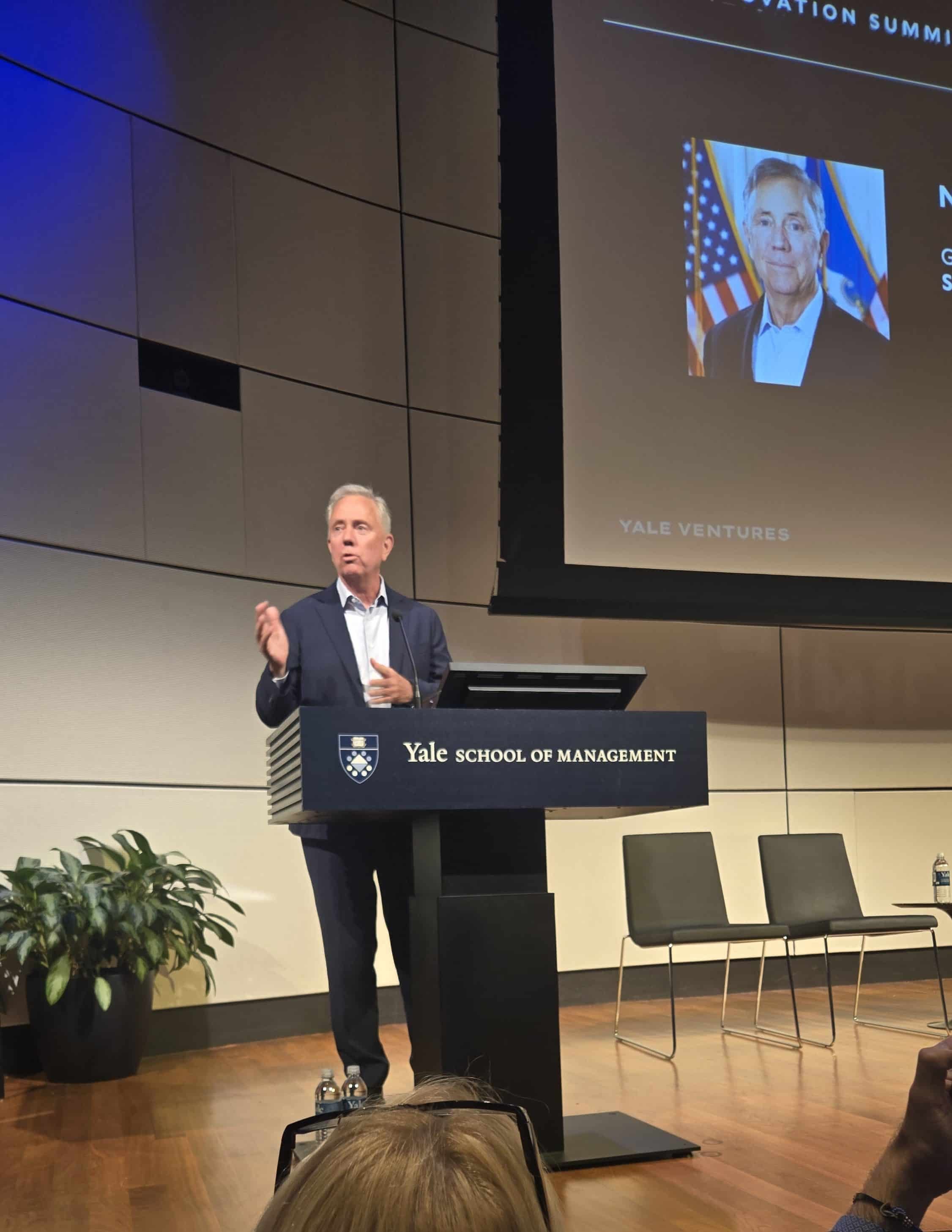
Governor Ned Lamont expressed a positive message for Connecticut. “Fear is the great tranquilizer,” he said. “Optimism is the energizer. At the end of the day, it’s all about economic growth. We’ve got a big running start from the rest of the world.”
Learn more about the Yale Innovation Summit at ventures.yale.edu.